Will AI-Driven Backlink Growth Dominate Future Niches?
By 2026, tools can immediately serve different variants to different user profiles (new visitor vs. returning, or based on recommendation source) to make the most of possibilities of conversion. Development hackers supervise these systems and ensure that the site is continuously discovering and enhancing its effectiveness.
Heatmaps and session recordings can reveal UX problems that aren't obvious from metrics alone (e.g., users trying to click something that's not clickable). In 2026, essentially every product or site has some kind of event analytics development hackers depend on these to inform their next experiments. For example, if analytics show a big drop-off on step 2 of a sign-up procedure, that ends up being a prime target for checking an easier step 2 or getting rid of a type field.
As Refonte Knowing's marketing courses highlight, is the winning combo: you require data to direct you to the issue, and creativity to create the service . A key cultural component is the speed of experimentation. The very best growth groups in 2026 imitate nimble labs, they can ideate and launch tests quickly.
They typically adopt the mantra" (if it can be evaluated)." Instead of disputing concepts constantly in conference rooms, growth hackers would rather put it in front of users and let the data speak. This rapid version approach means they can profit from chances quicker and discover what does not work early.
Notably, when something works (say, an A/B test shows version B transforms 15% better than A with 99% statistical self-confidence), they implement it and then move on to the next experiment. Gradually, these gains substance significantly. Groups that promote this experimental culture, where failure isn't penalized however failing to find out is consistently outperform those that play it safe.
How Advanced Models Scale Search Visibility in 2026
Nothing exhibits "hacking" growth quite like a well-engineered. Viral loops are methods that encourage existing users to bring in new users, producing a self-perpetuating cycle of growth.
Growth hackers in 2026 carefully style these programs to lessen fraud/abuse while taking full advantage of appeal. They examine metrics like recommendation welcome sent rate, conversion rate of invites to new users, and the life time worth of referred users (often greater quality than typical users). Many business fine-tune their recommendation provides in time for example, a fintech app may experiment between "give $10, get $10" vs.
Beyond explicit recommendation programs, growth hackers seek to. Social apps thrive on this: think of how every brand-new Facebook or Instagram feature invites you to share content or welcome pals. Even non-social products can have viral functions. Examples include: collective tools that work much better when you welcome staff member (so users naturally invite associates), or e-commerce platforms that let users develop wishlists or evaluations that are shared openly (attracting buddies).
GSA Search Engine Ranker guideDominating Hyper-Competitive Sectors Via Automated SEO Tactics
In 2026, a big trend is leveraging via frictionless sharing: one-click posts/invites integrated with messaging apps or social networks. Development hackers guarantee that whenever a user has a positive moment (attained something, delighted in content, and so on), the item pushes them to share it with others. Numerous companies run viral projects in the kind of contests, obstacles, or free gifts.

These can trigger bursts of development. In 2026, we frequently see TikTok or Instagram challenges introduced by brand names as development hacks, they encourage user participation and sharing (e.g. a dance obstacle that indirectly promotes a brand name). Growth marketers thoroughly prepare these so that they line up with the brand and genuinely motivate sharing (no one likes a pure "spam your friends" scheme, it needs to be fun or important).
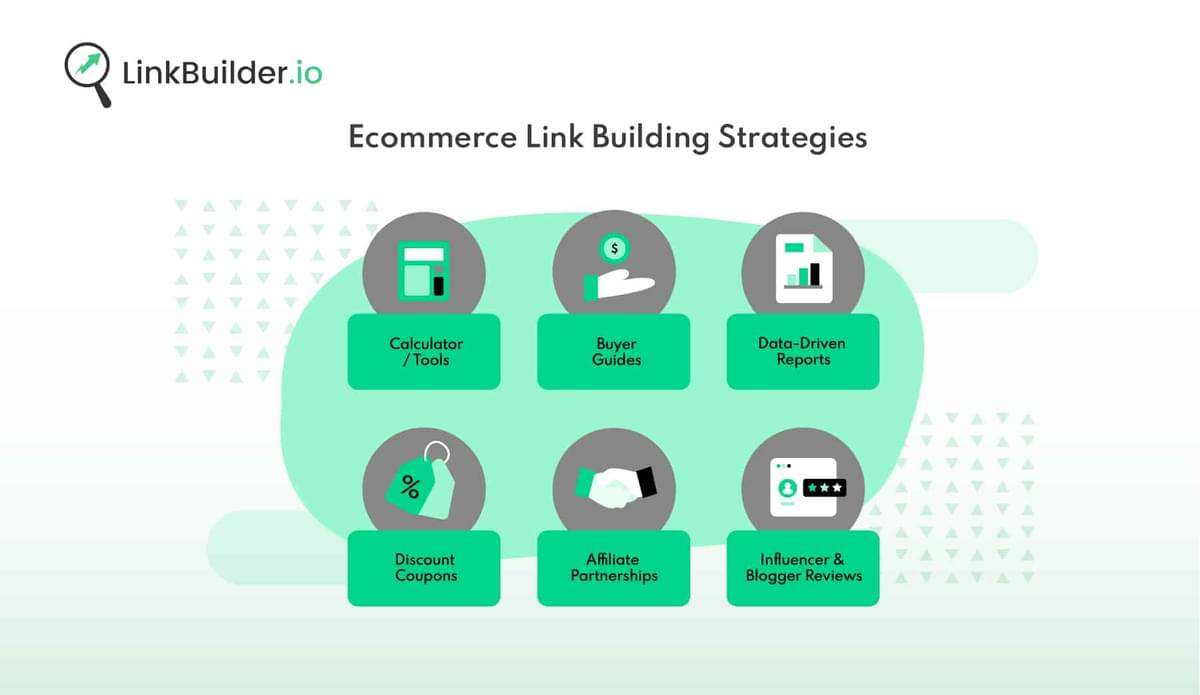
Believe infographics with surprising statistics, interactive tools (like quizzes or calculators), or really insightful industry reports things individuals naturally wish to share since it makes them look good or supplies value to their network. For example, an e-mail marketing service may launch a "2026 Email Benchmark Report" with shareable charts; online marketers who find it useful will share it, spreading the company's name.