The Strategic Advantages of Automated Traffic Systems
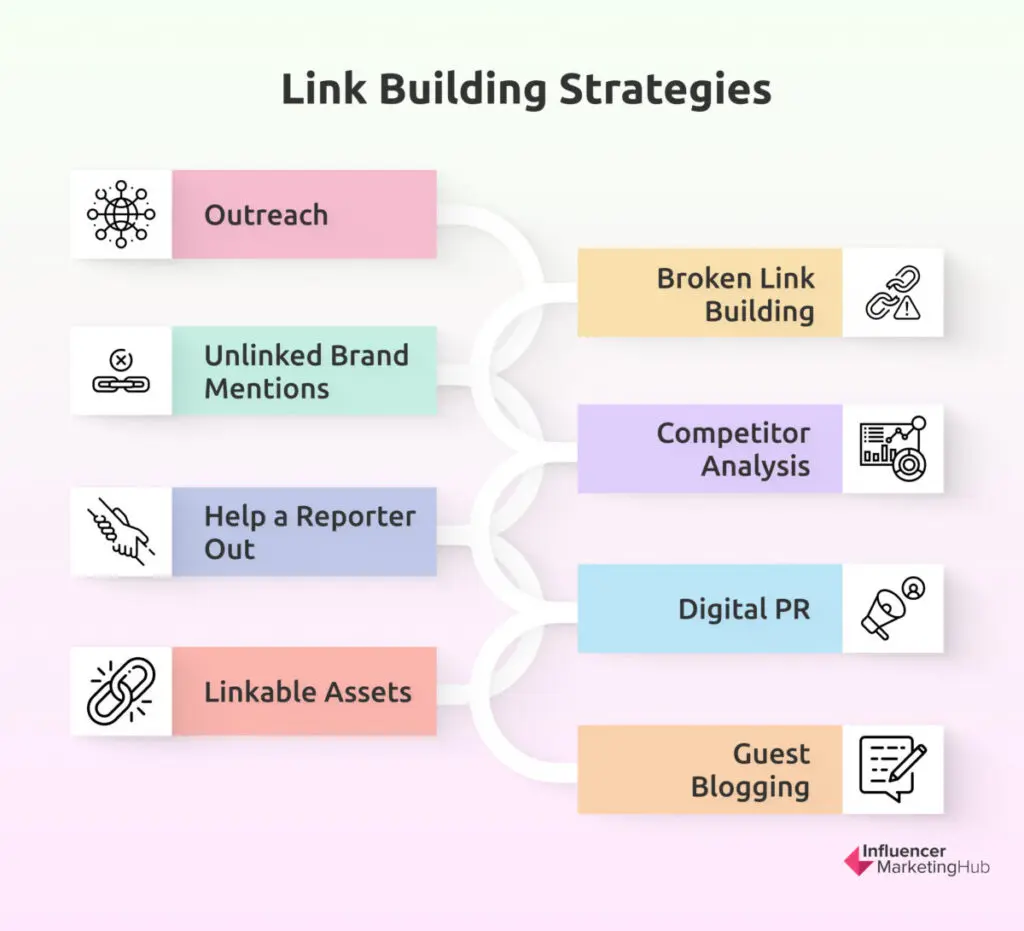
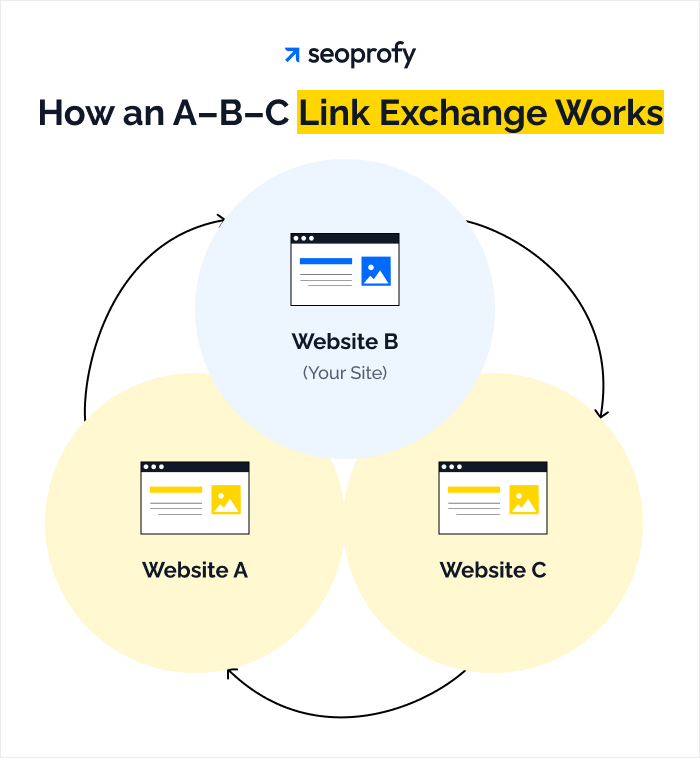
And the sites you link to may return the favor and link back to your site. If your site pages don't fill quickly, visitors are less likely to explore your website, which implies you could lose traffic from page to page.
Additionally, if your website loads gradually, visitors who leave aren't most likely to return. A site that's not optimized for mobile usage will hurt your total ranking.
If you're researching a, the most significant question is easy: are you getting or just pumped up numbers from bots and junk sources? For a much deeper overview and examples, see: Website traffic is the users and sees that reach your site through channels like search, social, recommendations, e-mail, and ads. "Websuite traffic" is not a basic termmany individuals utilize it as a casual way to explain "site traffic" or traffic reported through a suite of marketing tools.
The issue is that comes from authentic user intent (individuals pick to click), while is produced (bots, forced redirects, incentive farms, or low-grade ad networks). People browse a keyword and click your site.
Top Insights for Accelerating Niche Site Traffic
Advertisements in social feeds targeting interests/behaviors. Fast reach + retargeting (but intent can be lower than search).
Banner or "recommended content" ads. A real website links to you and users click. Great for authority + SEO (when appropriate).
Typed URL, bookmarks, or "unknown" sources. Typically suggests brand acknowledgment and returning users. You post worth; individuals click naturally.
The Core Benefits of Scalable Traffic Systems
Spikes around posts, engagement on instructional pages, brand searches increase later on. Automated gos to from scripts, headless web browsers, or server farms. substantial volume + almost no engagement repeated patterns (exact same URL, very same timing) strange device/browser mix (or mainly "(not set)") Useless for service, can poison analytics. Genuine people, however paid to click without any interest ("make benefits").
Doesn't assist SEO or sales. Users get dumped onto your site without choosing to visit (annoying). incredibly high bounce/ low engagement odd referrers, sudden spikes visitors leave immediately Low trust signals, bad brand experience, messy attribution. Individuals "browse" other sites to earn views for their own site. Really brief sees, near-zero actions, low retention.
Genuine natural search traffic is not something a supplier can "turn on" immediately across random keywords without SEO work. Misleading marketing and possible policy issues if they simulate searches.
Pollutes reports, can puzzle clients/teams. Page reload scripts or hidden frames firing hits. High pageviews, incredibly low engagement, repeated hits. Not genuine user sessions. consistent session durations (not all 13 seconds) numerous page views on a part of sessions events (scroll, click, form) conversions (even little ones gradually) believable geo/device mix aligned with your target audience huge volume spikes without any company result near-zero engaged sessions suspicious referrers or strange "Direct" spikes repeated patterns (very same landing page, exact same interval) no enhancement in leads/sales/email signups (sites/apps/placements) (if yes normally poor quality) (block bad placements, spam referrers) (country/state/city) (UTMs, logs, reports) (anyone guaranteeing rankings/sales is a warning) If you want, I can transform this into a tight GitHub-friendly format with: a "" list (0100) GA4 screenshots list (what reports to examine) and a brief "" design template you can reuse for customers.