Scale Advanced Backlink Acquisition in Tough Niches
Growth hacking has come a long way given that its scrappy start-up origins in the early 2010s. In 2026, it's no longer a niche term or Silicon Valley buzzword, is mainstream, mission-critical, and transforming how companies drive expansion. The development hacker state of mind that took hold in the 2010s has grown and totally incorporated into modern marketing by 2026 .
Today, even large business accept development hacking principles to fuel user acquisition, enhance retention, and optimize every phase of the client journey., a leader in digital skills training, notes that marketers now blend creativity with analytics and tech knowledge to accomplish rapid development. The term "development hacking" itself describes using , a viewpoint born from startups requiring big outcomes on little spending plans.
In this short article, we'll explore what development hacking means in 2026, the newest patterns and methods, and how you can become an effective growth hacker in today's busy landscape. We'll likewise highlight insights from Refonte Learning's programs and blog resources (like their report) to ground our discussion in real-world competence.
Strategic Implementations of Automated Outreach for Higher ROI
is everything about one thing:. The principle was created by business owner Sean Ellis back in 2010 , when he helped business like Dropbox achieve explosive user growth. Rather than traditional marketing's huge budgets and broad campaigns, growth hacking relies on and continuous optimization across all parts of the user funnel.
In simple terms, a development hacker's goal is to. This may indicate crafting a viral recommendation program, tweaking a product feature to enhance user engagement, or relentlessly A/B screening website flows to enhance conversion rates. The trademark of growth hacking is a: form a hypothesis, run a test, measure the results, and double down on what works (and find out from what doesn't).
or at least embrace growth hacking techniques in their marketing strategy. The greatest difference from a decade back is scope: growth hacking today spans, not simply top-of-funnel acquisition . Growth hackers deal with everything from getting traffic (SEO, advertisements, material marketing) to triggering brand-new users (onboarding optimizations), retaining consumers (life-cycle emails, product updates), and driving referrals (incentivizing users to invite others).
Development hackers prefer ingenious tactics over big advertisement budget plans. They often leverage free or economical channels viral social campaigns, natural material, referral loops, to get outsized results. Agility and out-of-the-box thinking are in their DNA. Decisions are made based on evidence. Development teams run continuous experiments (A/B tests, multivariate tests) to see what moves the needle.
Optimize Elite Backlink Building in Competitive Sectors
This versatility enables them to implement concepts without constantly requiring a huge team. Being able to tweak a landing page's HTML/CSS or set up a database query suggests much faster iterations and less hand-off hold-ups . In 2026, many development functions anticipate standard coding or automation skills together with marketing savvy.
The approach is that enhancing retention or conversion yields more sustainable growth than simply pouring more prospects into the top of the funnel. A growth hacker will simply as easily brainstorm how to keep consumers engaged for month 2 as they will ideas for getting new sign-ups, whatever drives.By understanding these basics, we set the stage for the particular patterns and methods that are defining growth hacking in 2026.
Standard marketing alone isn't enough to stand out or accomplish viral growth. Here are a couple of factors why the growth hacking approach has become indispensable this year: Online marketing and consumer acquisition expenses (CAC) have actually climbed up steadily. Paid channels like Google Ads, Facebook, LinkedIn, and so on, are saturated and expensive. Companies can't rely entirely on throwing money at advertisements to grow.
Out-optimizing rivals beats out-spending them. Consumers today are bombarded with material and choices.
In 2026, simply running generic campaigns yields reducing returns; the winners are those who find unique methods to engage users (frequently by riding patterns on TikTok, creating shareable tools or interactive material, and so on). We see this in social networks marketing patterns: short-form video and genuine engagement guideline the day, and growth-minded online marketers discover ways to ride those waves .
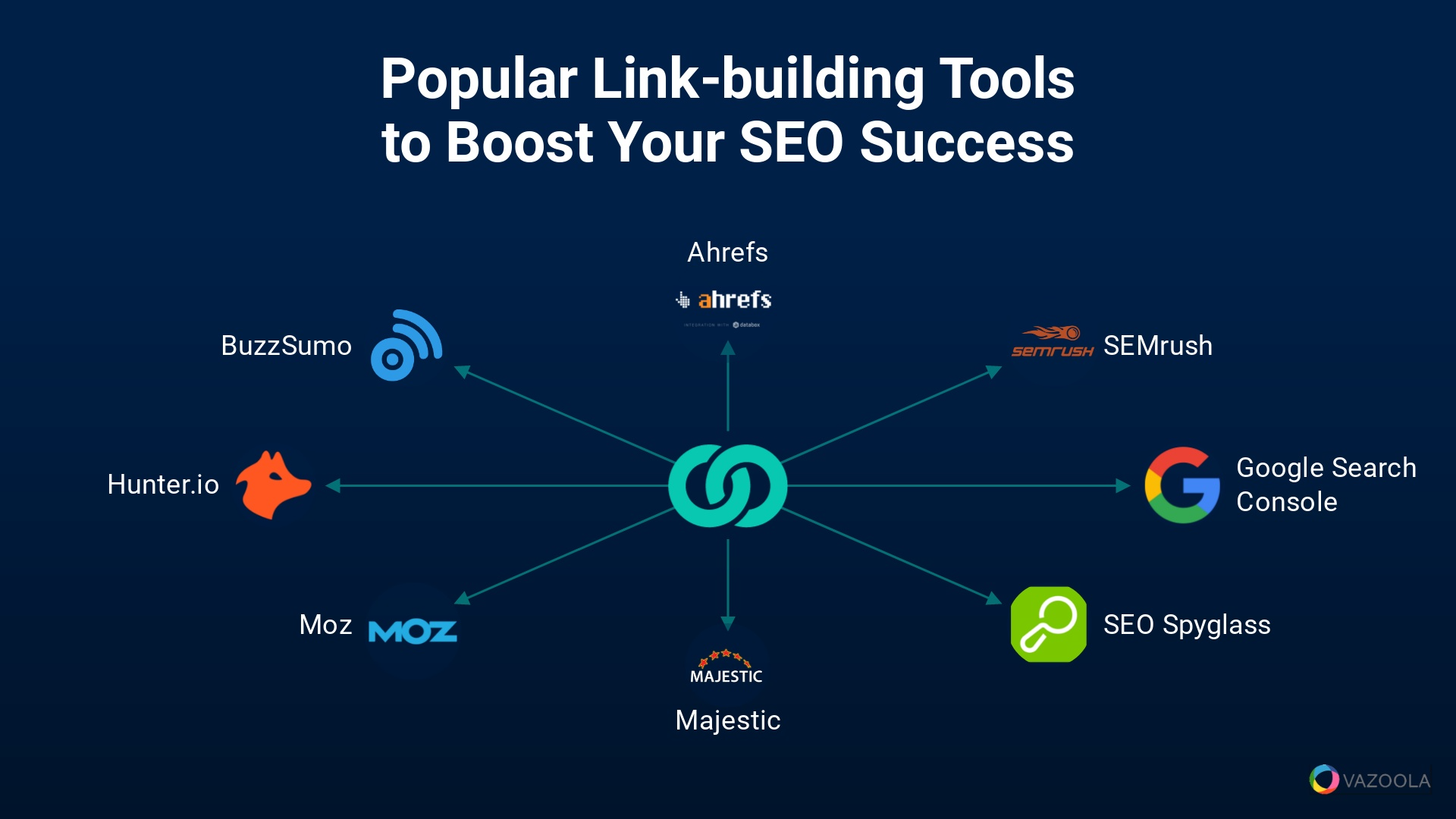
Creating Sustainable Link Portfolios Via SEO Tools
Some of the most significant development wins come from, where the product itself drives user acquisition (for instance, when a product has integrated virality or sharing functions). In 2026, numerous development strategies need collaboration with item teams: enhancing onboarding circulations, adding recommendation modules, tweaking features to encourage engagement, and so on. A conventional marketer operating in isolation can't do this; a development hacker, however, works cross-department to make it occur.