How Automation Must Lead SEO in the Future
And the websites you link to may return the favor and link back to your website. If your website pages don't load quickly, visitors are less most likely to explore your website, which indicates you might lose traffic from page to page.
Additionally, if your site loads gradually, visitors who leave aren't likely to return. A site that's not enhanced for mobile usage will hurt your general ranking.
If you're looking into a, the greatest concern is simple: are you getting or just pumped up numbers from bots and junk sources? For a much deeper overview and examples, see: Site traffic is the users and check outs that reach your site through channels like search, social, referrals, e-mail, and advertisements. "Websuite traffic" is not a standard termmany people use it as a casual way to explain "website traffic" or traffic reported through a suite of marketing tools.
The problem is that comes from authentic user intent (people pick to click), while is manufactured (bots, required redirects, reward farms, or low-quality advertisement networks). People search a keyword and click your website.
Modern Workflows for Advanced SEO Success
You can purchase intent (best for leads/sales). google/ cpc, bing/ cpc (if UTMs are appropriate) Strong conversion rates on landing pages if targeting is tight. Ads in social feeds targeting interests/behaviors. Quick reach + retargeting (but intent can be lower than search). facebook/ paid_social, tiktok/ paid_social, and so on.
Banner or "recommended material" advertisements. Awareness and remarketing; can be good if positionings are managed. display, cpm, or network sources in source/medium Depends heavily on placement quality, exclusions, and fraud controls. A real site links to you and users click. Great for authority + SEO (when appropriate). recommendation with a referring domain Good session depth, strong topical match, low spam recommendations.
Typed URL, bookmarks, or "unidentified" sources. Frequently indicates brand recognition and returning users. You post value; people click naturally.
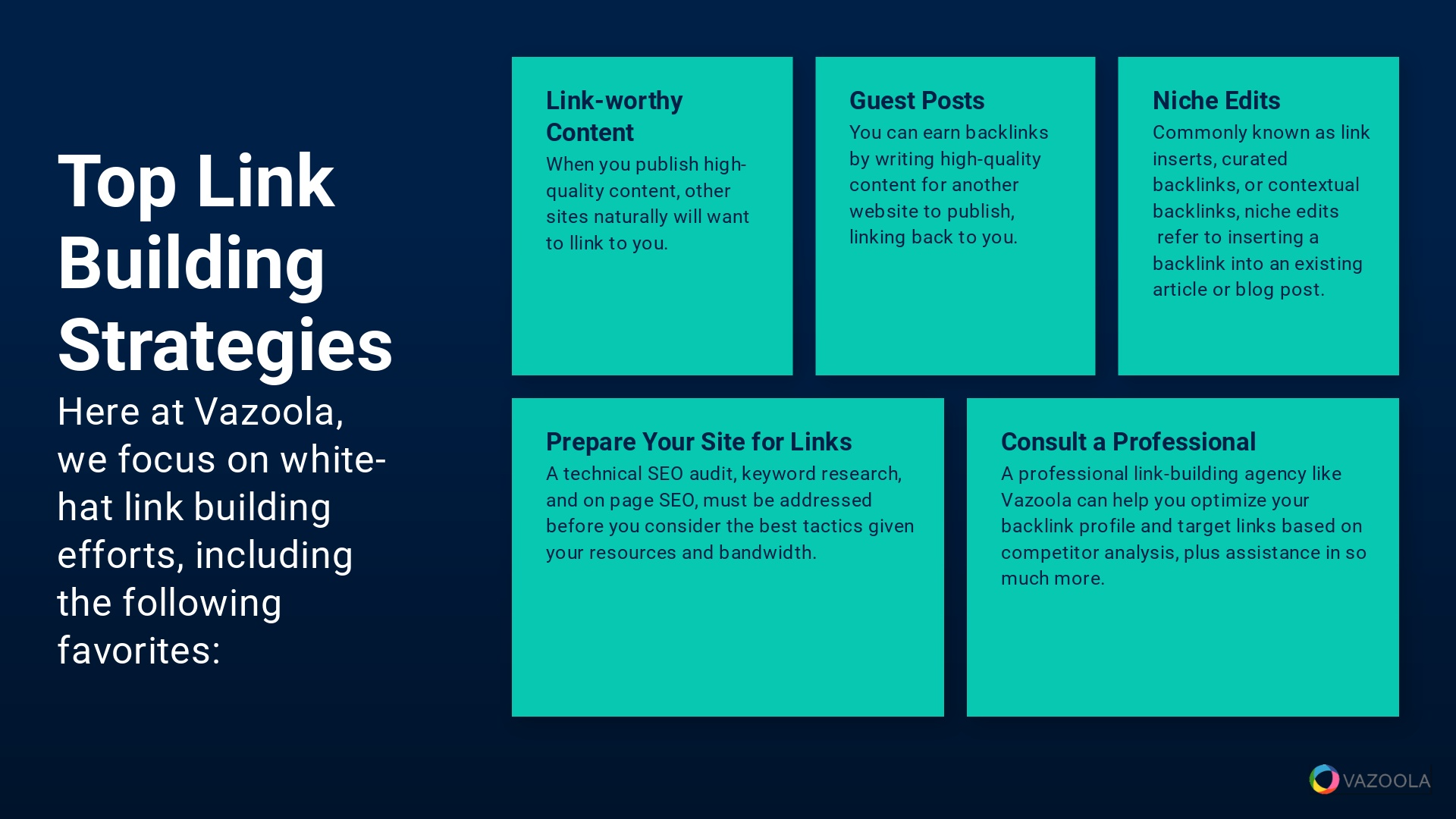
Comparing Link Tactics for Competitive Verticals
Spikes around posts, engagement on academic pages, brand searches increase later. Real humans, however paid to click with no interest ("earn rewards").
Users get discarded onto your website without selecting to go to (bothersome). People "surf" other websites to make views for their own website.
Real organic search traffic is not something a vendor can "turn on" quickly throughout random keywords without SEO work. Deceptive marketing and possible policy concerns if they mimic searches.
Pollutes reports, can confuse clients/teams. Page refilled scripts or concealed frames shooting hits. High pageviews, incredibly low engagement, duplicated hits. Not genuine user sessions. constant session durations (not all 13 seconds) multiple page views on a portion of sessions events (scroll, click, form) conversions (even small ones with time) believable geo/device mix aligned with your target audience massive volume spikes without any organization result near-zero engaged sessions suspicious referrers or odd "Direct" spikes repeated patterns (exact same landing page, very same period) no enhancement in leads/sales/email signups (sites/apps/placements) (if yes normally poor quality) (block bad placements, spam referrers) (country/state/city) (UTMs, logs, reports) (anybody guaranteeing rankings/sales is a red flag) If you desire, I can convert this into a tight GitHub-friendly format with: a "" list (0100) GA4 screenshots list (what reports to examine) and a brief "" design template you can reuse for customers.