Creating Sustainable Authority Portfolios Via Marketing Tools
Lots of growth hackers caution that you can't rely entirely on virality; it should match a solid product that keeps users. A famous adage is "." If the item doesn't deliver genuine value, no hack will wait long-term. Effective viral loops in 2026 are usually built on products that users genuinely like (so they're naturally inclined to share).
Even as we discuss hacking and non-traditional tactics, one of the most reliable long-lasting growth strategies remains and content marketing. In 2026, SEO is extremely much alive in reality, search has evolved with AI and voice assistants, however people still turn to Google (and now Bing with GPT integration, etc) to discover options.
Key factors to consider: Gone are the days of keyword stuffing; Google's algorithms in 2026 are extremely advanced, valuing . Growth-oriented material technique suggests recognizing the questions and issues your target audience has, and developing to address them. This might be blog site short articles, how-to guides, tutorials, case studies, videos, or infographics, whatever format fits the subject.
Harnessing Smart Systems for Maximum Search Visibility
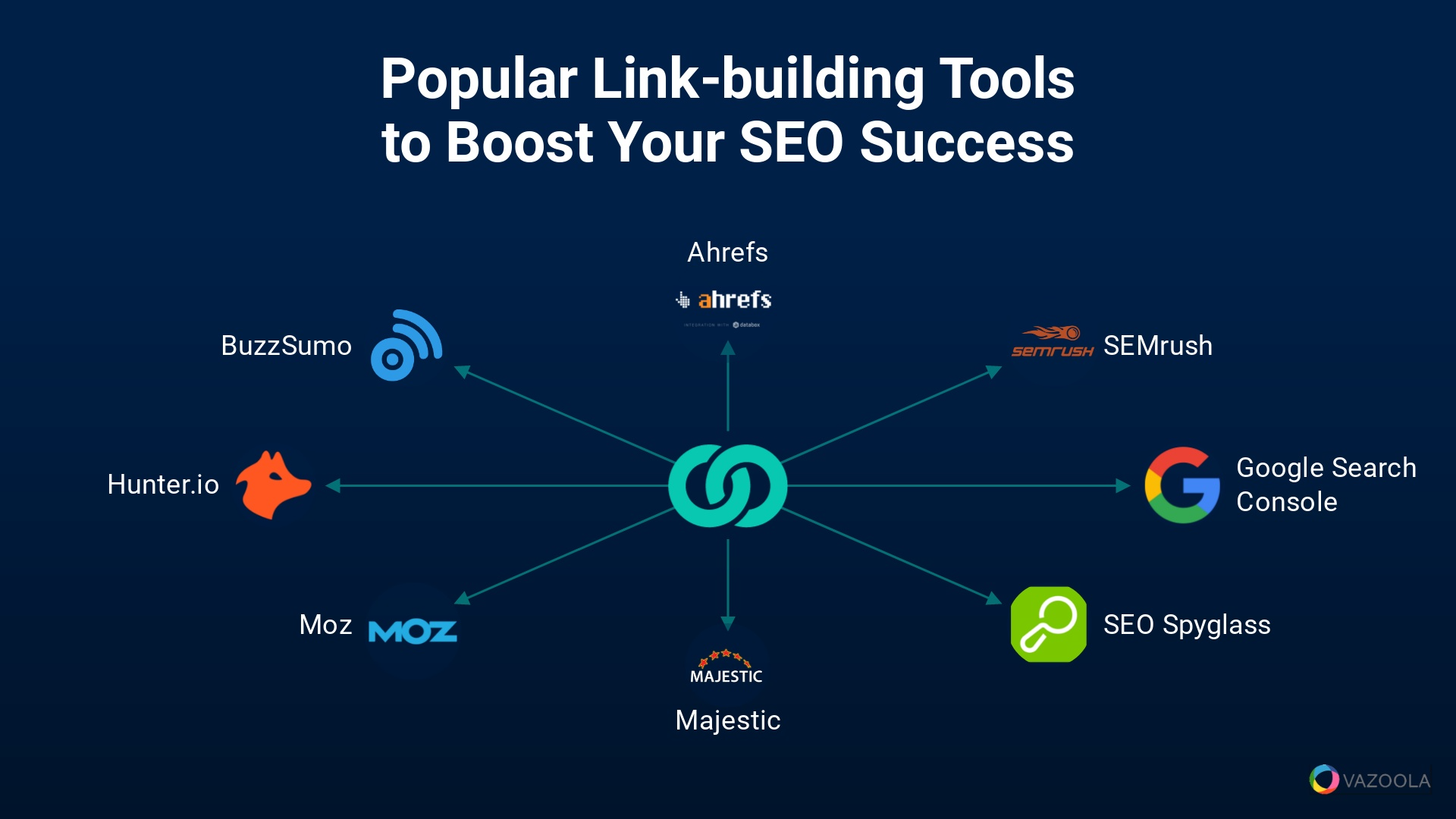
The reward is big if you prosper: constant natural traffic that can transform into sign-ups or leads for years. Growth hackers often use SEO tools (e.g. Ahrefs, SEMrush) to find high-potential keywords (particularly long-tail queries and emerging concerns) that they can realistically rank for. By targeting niches or specific concerns, they can get content to rank and record users that competitors might neglect.
Beyond content, development hackers ensure the website is technically optimized. Many development groups have a checklist for every new material piece: meta tags, keywords in title and headers, internal connecting (connecting to other pertinent material on the website), image alt tags, etc.
For example, a post on development hacking may link to an associated short article on digital marketing trends (driving engagement and signaling relevance to online search engine). (In this post, we've added several internal links to Refonte Knowing's appropriate blog posts a practice any growth hacker would appreciate!) Another strategy in 2026 is the continuous.
Advanced Growth Tactics to Boost Search Traffic
They keep an eye on how content carries out and regularly upgrade it to keep it present. If you have a blog site post that ranked well in 2024 but slipped, updating it with 2026 insights and re-promoting it can enhance it back up. Additionally, material can be expanded into different formats (repurposing): a successful post might end up being a YouTube video, a SlideShare, or a series of social posts, extending its reach.
A new advancement by 2026 is the usage of AI tools to assist in content development and optimization. Growth hackers are explore AI writers to draft material (constantly human-reviewed for quality), or AI SEO assistants that suggest subject clusters and on-page enhancements. AI can also assist create meta descriptions or optimize for related concerns individuals ask.
The sweet area is utilizing AI to scale the grunt work (like analyzing search intent or generating outlines) and freeing up human marketers to add innovative insight and polish. In general, organic development via SEO resembles "slow growth hacking" it's not as immediate as a viral hit or a paid project, however it's a snowball that builds momentum and yields substantial returns.
For instance, Refonte Learning's own article emphasizes that being the best answer to a user's question is the holy grail of SEO now , highlighting how quality content fuels discoverability. By lining up material strategy with growth goals, companies capture users exactly when they're looking for services, making them simpler to transform.
Is Automated Backlink Acquisition Ethical in Competitive SEO?
In 2026, there's a myriad of that growth hackers use as force multipliers: Development groups extensively utilize automation for things like email marketing, CRM, lead nurturing, and client onboarding. Tools (e.g. HubSpot, Mailchimp,, Intercom) permit triggers and workflows that send individualized messages or offers based upon user habits. If a user signs up however doesn't complete onboarding, an automatic series might send pointers or a discount over the next week to push them back.
By automating these touchpoints, growth hackers make sure no opportunity is missed out on and users get prompt engagement without manual effort. Numerous development hackers are not complete engineers, but in 2026 they don't need to be to develop useful mini-tools or integrations. Low-code platforms like and others make it possible for development of customized workflows and even basic apps without heavy coding.